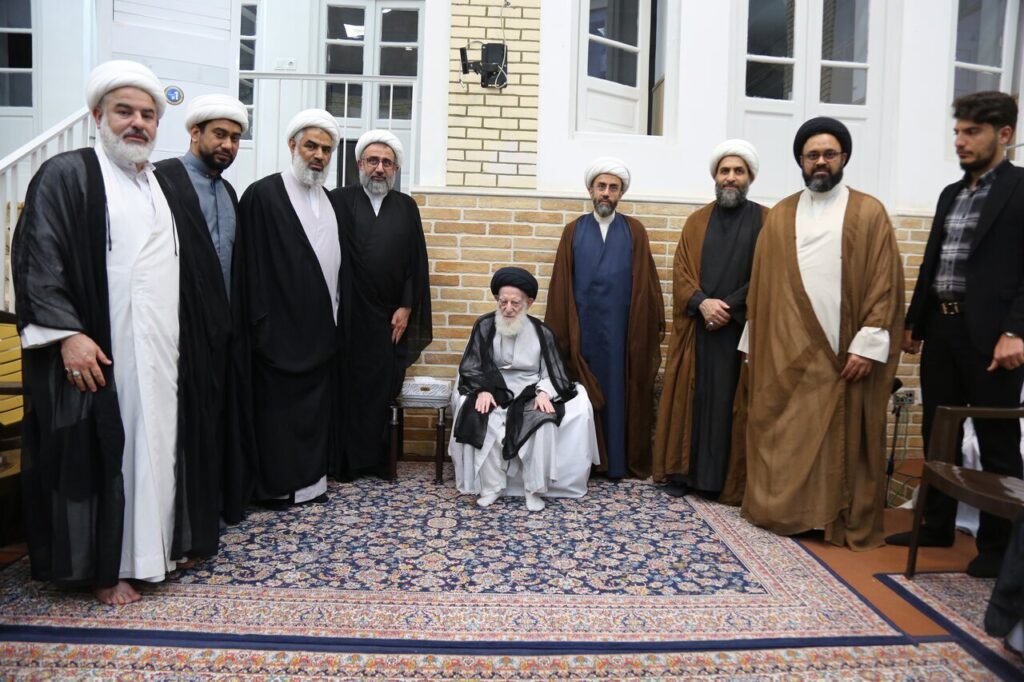
Addressing the meeting, Hojatoleslam Mohammad Khojasteh, a member of Bahrain’s Scholars Council, detailed the conditions facing Bahraini Shias and the hostile stance adopted against them by the Manama regime in recent years.
He stated that the Ramadan War dealt a severe blow to the image of the Al Khalifah regime, prompting it to seek revenge against Iran by intensifying pressure on Shias after the conflict ended.
As a first step, he explained, the regime revoked the citizenship of 73 Bahrainis on the false charge of maintaining ties with Iran and expelled them from the country.
In the next phase, Khojasteh said, on May 9, regime forces stormed the homes of 41 top-tier Shia clerics within the span of just four hours, arresting them and confiscating their personal property. The clerics were accused of links to Iran’s Islamic Revolution Guards Corps and promoting the doctrine of Velayat-e Faqih in Bahrain. Moreover, large numbers of Bahraini Shias have been detained since the onset of the war on charges of sympathizing with Iran.
Khojasteh further drew attention to mounting pressure against Shias in Kuwait and the United Arab Emirates, warning that future steps could include the closure of active religious seminaries and Shia cultural centers, as well as the expulsion of Shia prayer leaders from mosques.
Grand Ayatollah Shobeiri Zanjani, while expressing hope that the pressure on Shias in Persian Gulf littoral states would be alleviated, underscored that throughout history, Shias have been under divine protection and that by God’s grace, many calamities have been averted from them.
Since the start of the Ramadan War, the regimes in Bahrain, Kuwait, and the United Arab Emirates have significantly intensified their crackdown on Shia communities. Numerous Shia clerics and citizens across these three countries have been arrested on allegations of links to Iran and expressing solidarity with the country, with many subjected to severe torture.