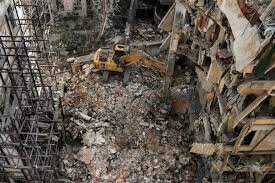
The Union stated that what is happening constitutes a “fully-fledged crime against humanity”, carried out “in cold blood and without any conscience or respect for the human right to life”, stressing that these violations reflect a dangerous escalation against civilians.
The statement noted that the blood of the victims “is not mere numbers in news bulletins,” but rather represents “deep wounds in the heart of the الأمة (Ummah)”, calling for the broadest Arab, Islamic, and international mobilization to immediately stop the aggression and end what it described as a “cycle of recurring crimes” against civilians in Lebanon and the region.
In the same context, the Union issued an appeal to the United Nations and the international community to assume their legal and humanitarian responsibilities, questioning the absence of an effective response to the “cries of the oppressed and the blood of the innocent”, in reference to what it considered ongoing international failure to halt the escalation.
It stressed that what is happening in Lebanon represents a “true test of the world’s humanity,” affirming that history “will not forgive those who remain silent”, and calling for a serious stand to stop the aggression and provide urgent humanitarian support to those affected, emphasizing that supporting oppressed peoples is a “moral, religious, and humanitarian duty”.
In a special statement, the Secretary-General of the Union, Ali Al-Sallabi, renewed his call for widespread condemnation of what he described as “Zionist occupation crimes” against civilians in Lebanon, considering them a “serious development in the path of igniting chaos and fueling strife in the region and the world,” and warning of their implications for international security and stability.
Al-Sallabi urged Islamic scholars and institutions of what he called the “free world” to assume their moral and humanitarian responsibilities in condemning these crimes and pressuring decision-making capitals to put an end to them and hold perpetrators accountable, stressing that continued international silence “encourages further violations”.
He also emphasized the necessity of urgent Arab, Islamic, and international action to support the Lebanese people and stand by them in light of this humanitarian catastrophe, calling for immediate political and humanitarian assistance, and working to stop the aggression and alleviate civilian suffering, affirming that “humanitarian and moral duty cannot tolerate delay in such circumstances”.
This stance comes amid escalating tensions in the region, particularly after the outbreak of the American-Israeli war against Iran, which has seen multiple extensions involving Lebanon, Gaza, and other regional arenas, amid growing warnings of an expansion of confrontations and their humanitarian and political repercussions.
At a time when international calls for restraint and de-escalation continue, voices are also increasing demanding urgent action to stop what is described as a “dangerous slide toward further chaos and instability” in the region.