Organized by the World Forum for Proximity of Islamic Schools of Thought, the virtual gathering brought together thinkers and academics from Iran and across the globe to examine the psychological and spiritual impact of war on civilians — particularly children and women — and to question the deafening silence of international bodies tasked with preventing such atrocities.
Uruguay: This Is Not War, This Is a Human Rights Violation
Dr. Heba Smith, director of the Muslim Women’s Association of Uruguay, delivered a blunt assessment. “The current conflicts we are witnessing in Gaza and the Islamic Republic of Iran demonstrate violations of infant rights and other forms of civilian rights abuses. I must say: this is not war. War has rules. This is a human rights violation — the right to life, the right to health, the right to housing, the right to education, and of course, the right not to be a military target. When a residential area or a school is bombed, knowing full well that families and children are inside, under international law this is called a war crime.”
Malaysia: No Justification for Killing Children
Dr. Nur Jana Saim, senior lecturer at the National University of Malaysia, struck a similarly uncompromising tone. “The actions of the United States and Israel, which have led to the deaths of innocent civilians including women and children, must be condemned in the strongest possible terms. When powerful countries carry out acts that take the lives of children, women, and innocent civilians, they must be held accountable. There is no justification for killing innocent children. No political gain, no military objective, no security claim can ever make this acceptable.”
Indonesia: Why Bomb a School Twice?
Dr. Sari Mahmoudeh Vardani, an Indonesian university lecturer and researcher, questioned the logic behind repeated strikes on educational facilities. “Why would they bomb a school twice? They want to kill the students, or destroy the emotions of fathers and mothers. In such conditions, the United Nations and UNESCO remain silent. UNESCO is a fraudulent body of the United Nations, acting solely on America’s needs.”
Turkey: Your Resistance Is a Sign of Faith
Turkish journalist and researcher Dr. Batoul Namli offered words of solidarity. “Your steadfastness in these difficult days, standing together with unity and solidarity, is a sign of your strength and faith. This war imposed by the Zionist and imperialist regime is a great oppression that has targeted the lives of innocent human beings.”
Malaysia: Silence Is Complicity in Oppression
Dr. Nur Saadeh, associate professor at the National University of Malaysia, invoked Islamic teachings. “In Islam, we are taught that silence in the face of oppression makes one a silent partner of the oppressor. We cannot remain silent before the blood of the innocents of Minab. This is a humanitarian catastrophe. The so-called collateral damage being justified is a hollow shield for war crimes. You do not accidentally strike an elementary school three times. This was a targeted act to break the heart of a community.”
China: Civilians Are the Backbone of Every Society
Chinese researcher and social activist Yan Yitong reflected on the foundational role of civilians. “If we reflect on the importance of protecting civilians, we see that civilians are the backbone of any society. They are teachers, doctors, farmers, and elders who build our communities. Yet in times of war, they become the most vulnerable victims. The Geneva Conventions and international humanitarian law clearly prohibit attacks on civilians and civilian infrastructure; yet we still witness hospitals being bombed, schools destroyed, and families displaced across the world. Protecting civilians is not only a legal obligation, it is a moral imperative.”
India: A Stain on the Conscience of Humanity
Subahat Seyedeh Razavi, a cultural and media activist from India, mourned the victims of the Minab school attack and honored the Leader of the Islamic Revolution. “The innocent girls of Minab school lived dreaming of a future filled with knowledge and light; but the Israeli attacks destroyed their future and all were killed. How can a human being witness such brutality? How can the human conscience tolerate such evil? Every one of those girls was martyred. They were not soldiers; they were children, heinously martyred by a bloodthirsty hand. This massacre is a stain on the conscience of humanity.” She added that the martyrdom of figures like Ayatollah Seyyed Ali Khamenei represents not an end but a new beginning — “a flame of hope that will illuminate our path.”
Malaysia: Civilians Deserve Dignity and Peace
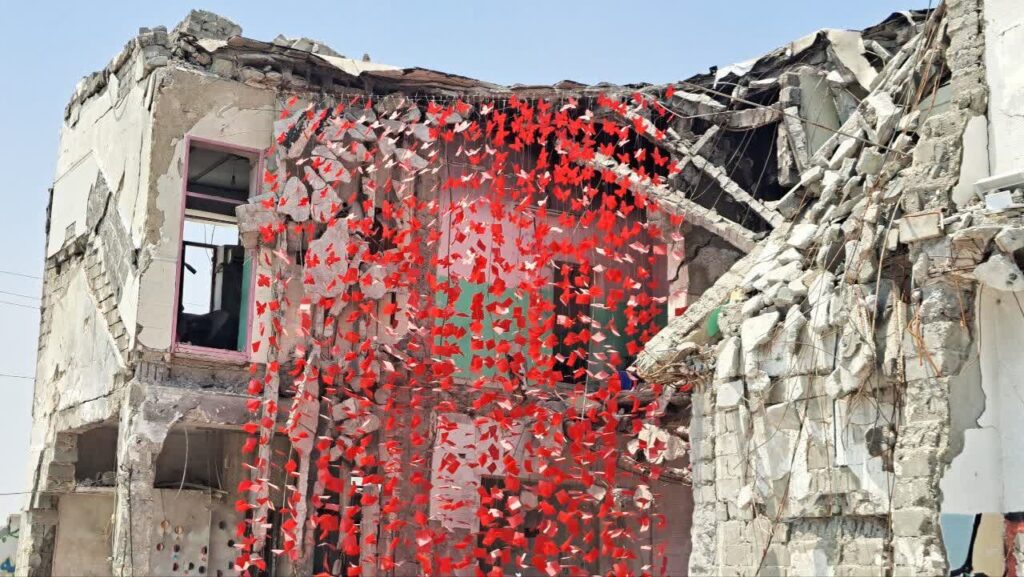
Malaysian researcher and writer Aqila Mohammad Fairoz emphasized the broader rights of civilians. “Not only must the lives of innocent civilians be protected, they also deserve their dignity, their culture, and everything institutionalized in their society. They all deserve to live. They must be able to live without fear of whether they will wake up alive the next day. They must be able to live in a way that they do not have to dig through debris and rubble of buildings bombed and destroyed in war to find their children or loved ones.”
Iran: Humanity Is Measured by How It Protects the Vulnerable
Dr. Jahedeh Takieh-Khah, an Iranian university lecturer and researcher, highlighted the disproportionate toll on women. “In modern wars, civilians — especially women and children — pay the highest price. Women face violence while simultaneously having to keep their families safe under extremely difficult conditions. Civilians must be protected and their humanitarian access must be guaranteed. Protecting women and children is not only a legal duty but a moral responsibility. Humanity is measured by how it protects the most vulnerable.”
Malaysia: Our Voices Matter
Two Malaysian voices closed the session with calls to action. Social activist Nur Nashira Adwiya Binti Mukhtar said, “Every human being, regardless of background, religion, or nationality, deserves dignity, security, and protection. We may not be able to stop wars directly, but we can raise awareness, show empathy, and advocate for justice. Our voices matter, and together we can remind the world that humanity must always come first.”
Student Hazirah of the National University of Malaysia added, “Children are the most innocent victims of war. Instead of going to school and enjoying their childhood, they are exposed to fear, destruction, and psychological trauma. Many children grow up without access to education, healthcare, or even security. Why must we respect human rights? First, everyone deserves dignity and respect. And second, it creates peace and stability.”
A Unified Condemnation
The webinar concluded with a unified message: the deliberate targeting of civilians, whether in Gaza, Iran, Yemen, or anywhere else in the world, is not a matter of political dispute but a clear violation of binding international law. The participants called on global bodies to abandon their selective silence and uphold their founding principles, warning that impunity for such crimes only emboldens aggressors and erodes the foundations of international order. For the women scholars and activists who spoke, justice is not an abstract ideal but a pressing demand — one that they vowed to continue pursuing until the blood of the innocent is no longer shed with impunity.