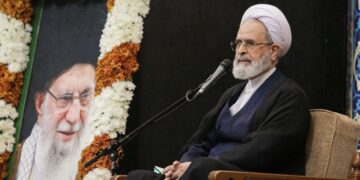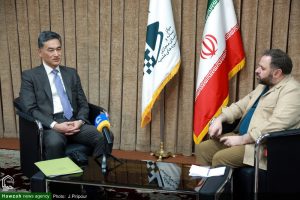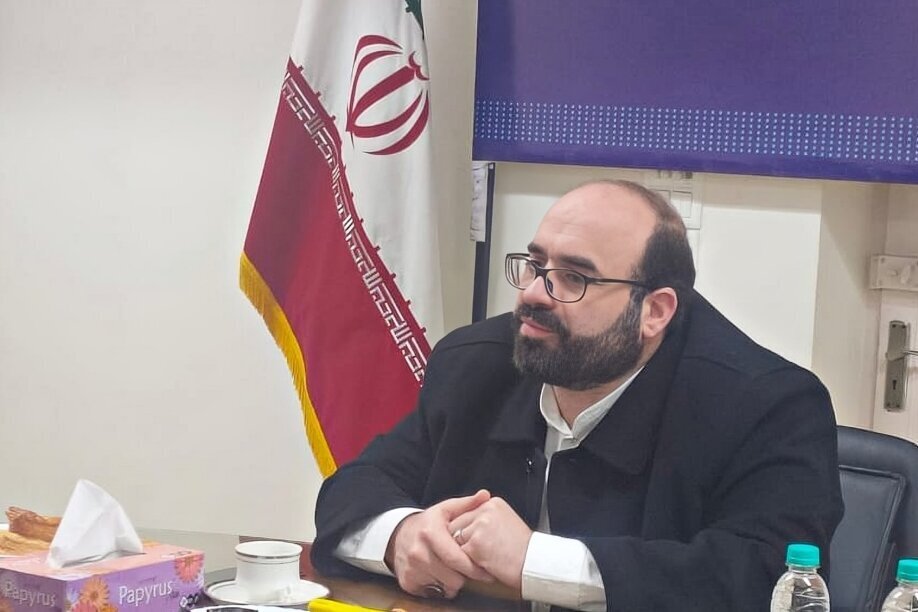
In an interview, Dr. Fariduddin Farid Asr emphasized that the ties between Iran and India cannot be defined solely within the framework of political and diplomatic relations.
A Civilizational Bond Beyond Politics
“The relationship between Iran and India cannot be confined to political and diplomatic ties, because the bond between these two countries has historical, cultural, and spiritual roots. It is, in reality, a connection between two of the world’s great and ancient civilizations,” Farid Asr stated.
He noted that for thousands of years, Iran and India have been cradles of science, literature, mysticism, art, and wisdom, and these shared civilizational features have forged a deep and enduring connection between the two peoples. The mutual influence of Iranian and Indian civilizations throughout history has been so extensive that traces of Iranian culture and civilization remain clearly visible across various parts of India, from language and literature to architecture, art, and intellectual traditions.
Conversely, the role of Indian thinkers, poets, and scholars in the expansion and flourishing of the Persian language and Iranian literature is highly significant and unforgettable. Many invaluable Persian works were produced in the Indian subcontinent, and for centuries, Persian served as the language of science, culture, and literature in the region. This cultural interaction brought the two nations closer not only politically but also intellectually and civilizationally.
Farid Asr added that Iran, through its cultural, mystical, and spiritual approach, played a key role in transmitting Islamic teachings to India, which in turn strengthened religious and intellectual bonds. He argued that any researcher seeking to properly understand the true identity of either Iran or India must study their shared history, cultural interactions, and civilizational heritage, as a vital part of both nations’ historical and cultural identity was shaped through this deep and ancient connection.
Shared Principles: Identity, Independence, and Spirituality
Asked about the principles underpinning current relations, Farid Asr identified three core shared pillars. The first is civilizational identity. Iran and India are both ancient and influential civilizations and do not define their identity solely within the modern nation-state framework. Despite religious, linguistic, and cultural diversity, a form of civilizational cohesion and unity exists in both societies, rooted in their historical past and cultural heritage.
The second principle is a spirit of independence and national self-confidence. Both nations have experienced eras of colonialism, foreign pressure, and interference by global powers, making political independence and national dignity matters of special importance. Both countries have sought to pursue progress and development by relying on internal capabilities, indigenous capacities, and human capital.
The third shared principle is the place of religion and spirituality in public life. In both Iran and India, spirituality and religious beliefs continue to play a significant role in the social and cultural lives of the people. Both nations place great importance on spiritual, moral, and cultural values, maintaining a distinct perspective from purely materialistic and secular Western models. These shared civilizational, cultural, and spiritual features have elevated Iran-India relations beyond ordinary political ties into a deep and lasting bond.
Transmitting a Shared Heritage to the New Generation
On the need to strengthen historical relations for the younger generation, Farid Asr acknowledged that historical awareness and understanding of the deep ties between Iran and India have somewhat faded over time. He pointed out that during the British colonial era, many linguistic and cultural connections suffered damage, and subsequent political developments and global shifts created further distances in cultural and civilizational relations.
He stressed that it is no longer sufficient to rely solely on historical achievements and shared glories; instead, modern tools and methods must be used to introduce this shared heritage to the youth. The new generation must understand that Iran and India have interacted for centuries in science, literature, mysticism, art, and culture, and that this connection forms a vital part of both nations’ historical identity.
Digital media, cyberspace, and cultural content production can play an effective role in bringing the youth of the two countries closer. Joint literary, artistic, and cultural festivals, film screenings, music programs, and academic and scientific gatherings can further familiarize young people with the shared civilization. Student exchanges, stronger university and research center ties, and the development of Persian, Hindi, and Sanskrit language instruction are among measures that can deepen cultural bonds. Continuous contact between thinkers, writers, researchers, and scientific and literary circles in Iran and India will play a crucial role in preserving and transmitting this civilizational legacy to future generations.
Cultural Diplomacy: The Most Enduring Path
Farid Asr described cultural diplomacy as the most important and sustainable path to keep the two countries close in the long term. “Political relations are usually influenced by day-to-day conditions, regional developments, and changes in governments, but bonds formed on the basis of culture, civilization, art, literature, and spirituality are deeper, more lasting, and grow stronger with time,” he said.
He called for an active and effective cultural diplomacy that harnesses shared capacities to build trust, convergence, and people-to-people connections. “We need a cultural diplomacy that can turn even political differences and distances into an opportunity for dialogue and cultural exchange,” he stated, citing joint cinematic projects, literary and academic conferences, mystical and philosophical dialogues, art exhibitions, and interfaith meetings as means to increase mutual understanding.
Sustained contact among writers, poets, researchers, artists, and academics would have a profound impact on future relations. If the young generation of Iran and India becomes acquainted with their shared civilizational and cultural heritage, relations between the two nations will remain firm and stable in the future. He insisted that Iran and India must be recognized globally not only as two political and economic powers but as two great civilizational and cultural centers, as what has linked these two peoples throughout history has been culture, spirituality, and shared human values more than politics.
A Shared Soul in Two Bodies
In concluding his outlook on the future of bilateral relations, Farid Asr expressed his belief that the bond between Iran and India is not limited to a specific historical period, a particular government, or a set of political circumstances, but is rooted in thousands of years of cultural, civilizational, and spiritual interaction. If the two countries can build on this shared heritage and civilizational capacities, not only will bilateral ties be further strengthened, but Iran and India can present a successful model of peaceful coexistence, mutual respect, and civilizational harmony to the world.
The future of Iran-India relations depends above all on the new generation’s understanding of this shared heritage. The more cultural, scientific, and people-to-people contacts expand, the stronger this historical bond will become, paving the way for deeper cooperation in various fields.
He closed by quoting India’s first Prime Minister, Jawaharlal Nehru, who described the Taj Mahal as an “Iranian soul in an Indian body,” an interpretation that beautifully captures the depth of cultural connection between the two nations. Farid Asr concluded that the relationship between Iran and India can likewise be described as a shared soul in two different bodies—a bond rooted beyond politics, in the very heart of the two nations’ history and culture.