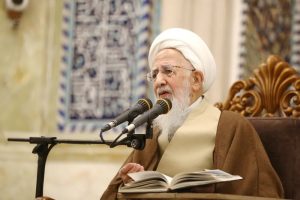
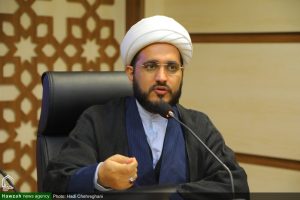
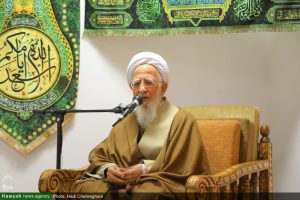
Speaking at the closing ceremony of the Second International Conference on Comparative Ethics Studies in Islam and Christianity, Hojatoleslam Sobhani analyzed the roots of the crisis and offered practical solutions for confronting it.
He identified four key factors undermining morality globally:
- Theoretical erosion: Humanist schools that challenge the foundations of moral thought.
- Dominance of secular law: Post-World War II systems replacing religious ethics with secular legal frameworks.
- Utilitarianism and capitalism: Economic systems that marginalize moral considerations in social and economic relations.
- Media-driven family weakening: Consumerist lifestyles promoted by modern media eroding public ethics.
Hojatoleslam Sobhani stressed that the solution does not lie with global powers, which he described as agents of anti-morality, but in the potential of the great divine religions. “If Islam and Christianity unite to revive moral foundations in harmony, we can hope for a better future,” he said.
He outlined three strategies for religious leaders to confront the crisis:
- Operationalizing morality: Ensuring ethical principles guide daily life, not just preaching.
- Building strong ranks: Organizing networks of moral elites to actively demand ethics worldwide.
- Bold discourse: Engaging fearlessly in defending values and promoting morality in public life.
Hojatoleslam Sobhani concluded by expressing hope that these efforts would expand globally, making moral revival a shared demand of the international community.