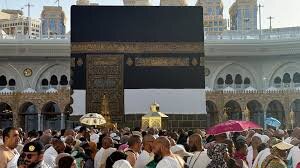
Despite the partial reopening of the Rafah crossing, Israel continues to maintain tight control over movement, effectively blocking or severely limiting the ability of Gazans to travel for Hajj, which requires passage through Egypt.
For many in Gaza, Hajj is no longer just a costly spiritual journey; it has become an unattainable dream, repeatedly postponed by war, siege, and displacement.
“We are forced to watch from afar,” the Gazzans say, which describes how Palestinians experience the pilgrimage as something visible only through screens while physical access remains sealed by closed borders and ongoing restrictions.
The war has also disrupted religious life more broadly, including the inability of many families in Gaza to carry out Eid al-Adha rituals such as animal sacrifice due to shortages and restrictions on goods entering the territory.
For many in Gaza, Hajj has become more than a religious duty deferred; it has turned into a symbol of isolation, where even the most sacred journeys are shaped by war, borders, and restricted movement.