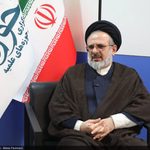
Speaking at the Ahlul Bayt Assembly of Indonesia’s event at the Islamic Center of Jakarta, Middle East analyst Dina Sulaiman highlighted how Iran has entered the negotiating table with clear, measurable preconditions—while the United States finds itself unable to dictate outcomes.
The release of $7 billion of Iran’s frozen assets in Qatar, alongside demands to halt aggression against Lebanon, are clear signs that Tehran is not in a defensive position. On the contrary, Iran has proven its ability to turn pressure into leverage.
The very fact that part of Iran’s demands has been met even before full negotiations begin sends a clear diplomatic message. In the logic of diplomacy, this is not merely a concession—it is an implicit recognition of Iran’s bargaining power.
Meanwhile, Washington’s once-loudly proclaimed grand objectives—ranging from regime change and halting Iran’s nuclear program to missile restrictions and cutting support for the Axis of Resistance—have yet to yield any significant achievement. When strategic goals remain unmet, the space to dictate negotiation outcomes automatically narrows.
Sulaiman pointed to a shift in global public perception, including in Indonesia. Support for Iran, which she noted has reportedly exceeded 80 percent in some surveys, reflects a changing view. Iran is no longer seen solely through an ideological lens, but through its capacity to manage national affairs amid relentless external pressure.
Public interest in everyday aspects of life—the role of women, price stability, and social order—demonstrates that a country’s legitimacy is determined not only by political narratives but also by its internal performance.
Regarding the Palestinian issue, Sulaiman noted that while it was not explicitly mentioned in Iran’s negotiating points, references to halting aggression against “Iran’s allies” implicitly include resistance groups in Palestine. This reflects a step-by-step diplomatic strategy—creating room for negotiation without locking positions from the outset.
Another equally significant reality is emerging from within the United States itself. Divisions among some factions over pro-Israeli policies—especially regarding military aid—signal internal pressures that could shape Washington’s foreign policy direction.
Thus, this conflict can no longer be framed as a simple “country versus country” equation. It has evolved into a complex battle involving strategy, perception, and political resilience.
In such conditions, victory is not always determined by the most militarily powerful side—but by the side that can convert pressure into bargaining leverage and carry that leverage to the negotiating table.
Iran, at least for now, has demonstrated that ability. The question remains whether this will be enough to determine the final direction of the conflict—or whether this is only the beginning of a new, longer chapter.