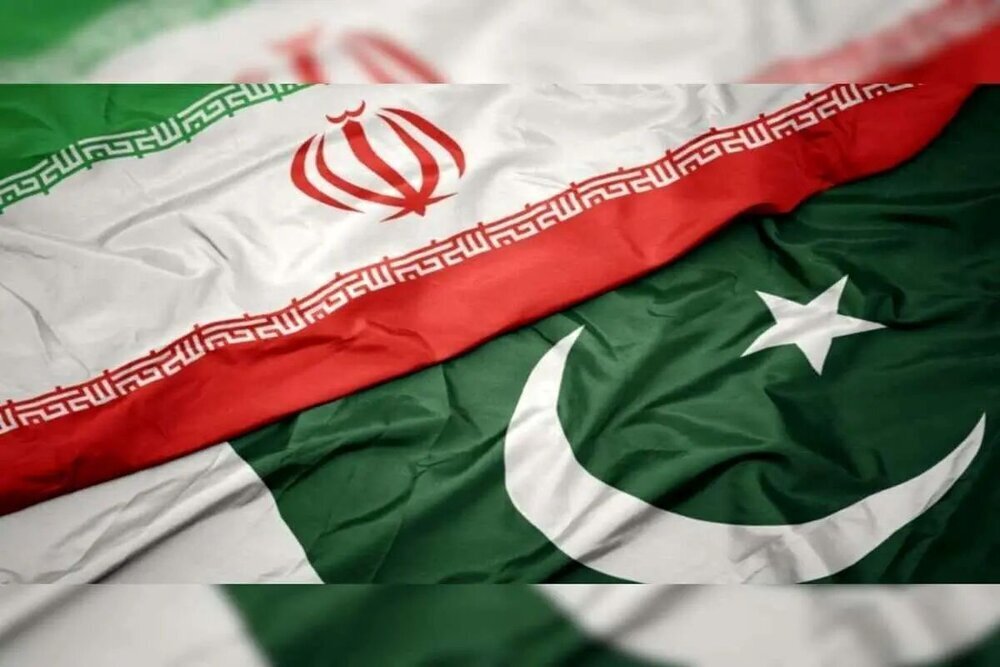
Pakistan’s proud and Wilayat-oriented nation, spanning scholars, intellectuals, politicians, elites, and Shia and Sunni youth alike, has on numerous occasions following the martyrdom of the late Leader Grand Ayatollah Seyyed Ali Khamenei, as well as in the wake of events triggered by the “Imposed War of Ramadan,” unequivocally demonstrated its sincere solidarity with and support for the noble and great nation of Islamic Iran. This widespread solidarity reflects the deep religious, cultural, and emotional bonds between the two nations—bonds that reveal themselves more profoundly than ever during critical and decisive moments. The reflection of this support within Pakistan’s social and media landscape has also been remarkable, fostering a greater sense of affinity toward Iran among various segments of the population.
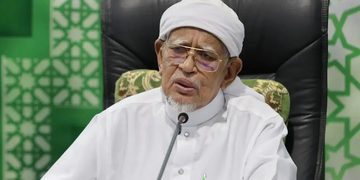
Notably, the supportive stances taken by prominent Pakistani Sunni figures toward Islamic Iran have carried special significance and exerted a twofold impact. Such expressions of support not only demonstrate a shared understanding of issues facing the Islamic world and the necessity of unity within the Muslim Ummah, but also send a clear message of cohesion, empathy, and a shared destiny among Muslims in confronting regional and international challenges. When well-known Sunni figures in Pakistan explicitly voice their support for Islamic Iran and its brave and proud nation, these positions resonate very positively within Pakistani public opinion and strengthen the country’s perception of the Islamic Republic of Iran.
Undoubtedly, this positive atmosphere and these sincere expressions of support can pave the way for the expansion of people-to-people, cultural, and intellectual relations between Iran and Pakistan. The solidarity demonstrated by Sunni scholars, intellectuals, and influential figures alongside other segments of Pakistani society shows that affection for Iran and endorsement of its positions are not confined to a particular current or group, but are rather rooted in a shared sense of Islamic and humanitarian responsibility.
Furthermore, many prominent Pakistani scholars, intellectuals, and media figures have conveyed messages of solidarity with and support for Iran to the world through their in-person and virtual addresses. Additionally, academic centers and various political parties, including the “Pakistan National Solidarity” alliance—one of Pakistan’s most significant religious-political coalitions comprising various religious parties—as well as the University of Sialkot, have expressed profound grief over the martyrdom of the late Leader Grand Ayatollah Seyyed Ali Khamenei, paid tribute to his national and religious services, and declared their full solidarity with the brave nation of Islamic Iran.