The repressive measures of the Al Khalifa regime against Bahrain’s Shia population have intensified since the “Ramadan War”. Mass detentions, torture, exile, and the revocation of citizenship of dozens of Bahrainis are among the dictatorial regime’s brutal tactics. Security forces have launched violent raids on the homes of Shia scholars across various regions, arresting dozens of clerics and religious figures.
The wave of arbitrary detentions by Al Khalifa signals a continued escalation of the security approach and a systematic crackdown on citizens who have exercised their right to peacefully express views related to the US-Israeli war against Iran and its direct consequences for Bahrain.
Following recent events, Bahraini authorities have detained more than 300 citizens—including women and children—and unlawfully killed one citizen.
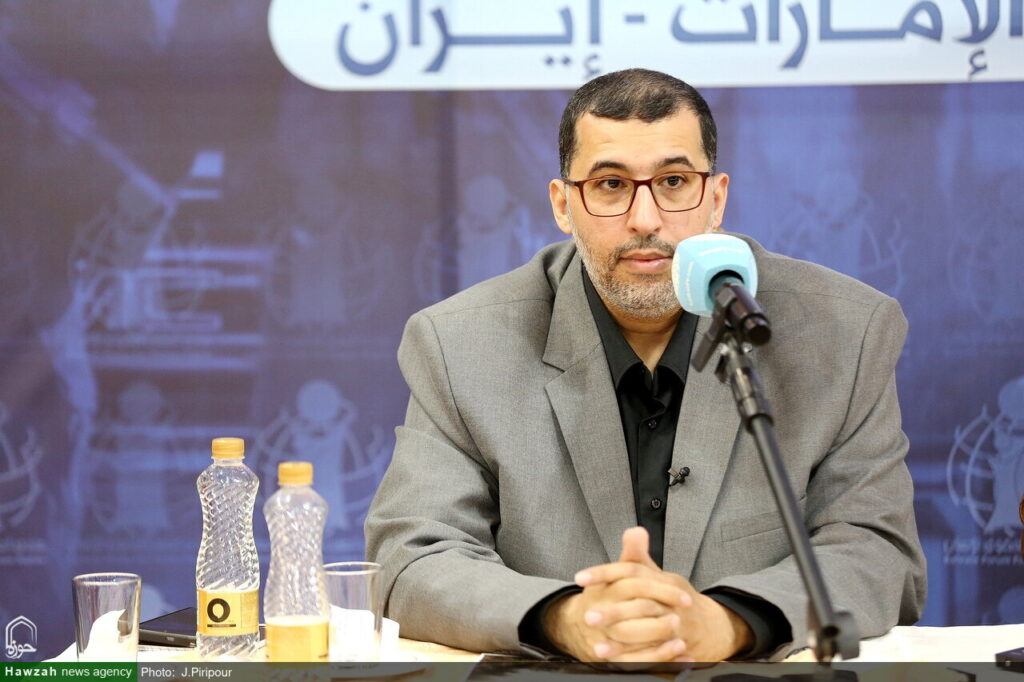
Hawzah News has interviewed Baqer Darwish, head of the Bahrain Human Rights Society, on the atrocities of the oppressive Al Khalifa regime. The following is the text of the interview.
Q: What is the goal behind the mass detention of scholars and clerics in Bahrain by the Al Khalifa security forces? What role does the UAE play in these crimes?
Darwish: Bahraini security authorities, encouraged by the United Arab Emirates, are seeking to destroy the Shia community. They find unacceptable any independence of religious affairs from the state, any refusal by Bahrain’s religious seminaries and Islamic society to support the aggressive war against the Islamic Republic of Iran, and any opposition by Bahraini scholars to normalization projects with the Zionist regime.
This crackdown on Shia is unprecedented in Bahrain’s political history. Among the detainees are prominent scholars, Friday and congregation prayer leaders, seminary directors, representatives of religious authorities in Najaf and holy Qom, seminary professors, preachers, and religious missionaries. Also among them are some founding members of the “Islamic Scholars Assembly” which operated under the leadership of Ayatollah Sheikh Isa Qasim.
The interior ministry’s statements speak of the role of seminaries, Hussainiya processions, mosques, kindergartens, Islamic institutions, and even jurisprudential rulings—indicating that the regime is preparing to launch a wide-ranging campaign of restrictions against all these Shia-affiliated centers.
The regime has gone even further, criminalizing Shia beliefs—labeling the concept of Wilayat al-Faqih as “terrorism,” while real terrorism resides at US military bases in Bahrain.
Q: What duty do the scholars, elites, and intellectuals of the Islamic world have toward the oppressed Shia of Bahrain?
Darwish: It is essential that scholars and intellectuals issue statements condemning these sectarian provocations against Bahrain’s Shia, emphasizing the need to respect religious plurality and citizens’ rights, and describing what is happening as a crime against the beliefs and convictions of Shia worldwide.
The issuance of condemnatory positions and statements by Friday prayer leaders, seminaries, and Islamic institutions against the sectarian suppression of Shia in Bahrain will have a significant and noteworthy impact.
Q: What mission and responsibility do the media have in exposing anti-human rights crimes in Bahrain?
Darwish: The media have an ethical and professional responsibility to expose the truth and reflect the suffering and hardships of the people, including by highlighting violations and aggressions. Media coverage prevents this issue from becoming isolated from global public opinion and helps create real pressure to counter the spread and intensification of sectarian persecution and discrimination against Bahrain’s Shia.
Therefore, there is a serious need for television and radio programs, news reports, and solidarity media campaigns on social networks.